Introductions
Floors endure more than almost any surface in a home, and gradual wear can make it difficult to identify the point at which repair is no longer the most considered option. Over time, cosmetic deterioration can develop into broader issues of performance, maintenance and presentation. At this stage, replacing existing floorboards may offer greater long-term value than continuing with isolated repairs.
The five signs below can indicate that a floor has reached that point.
The Flooring Appears Visually Dated
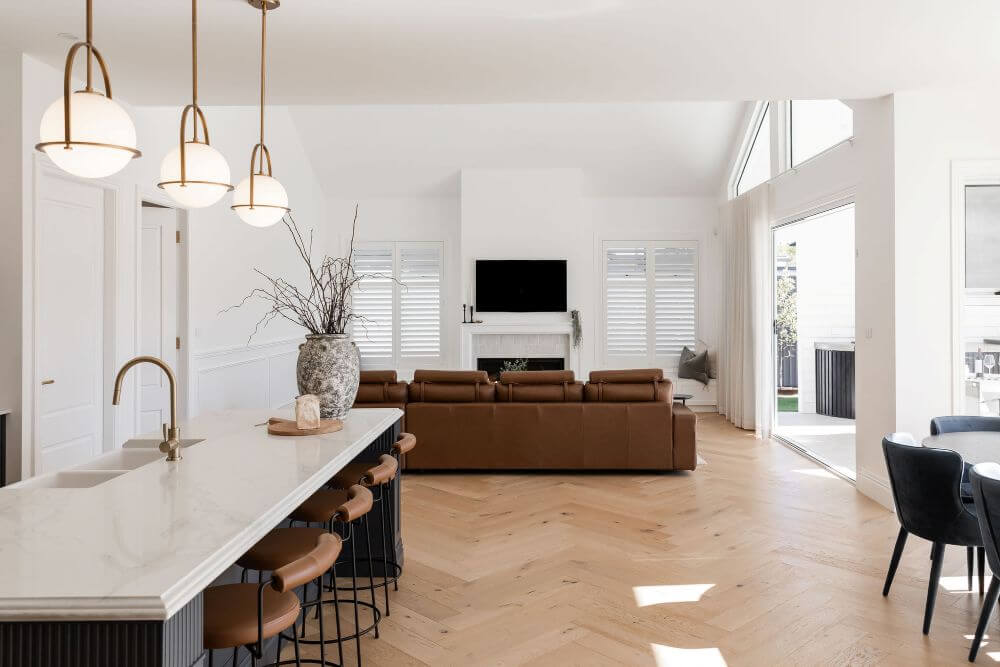
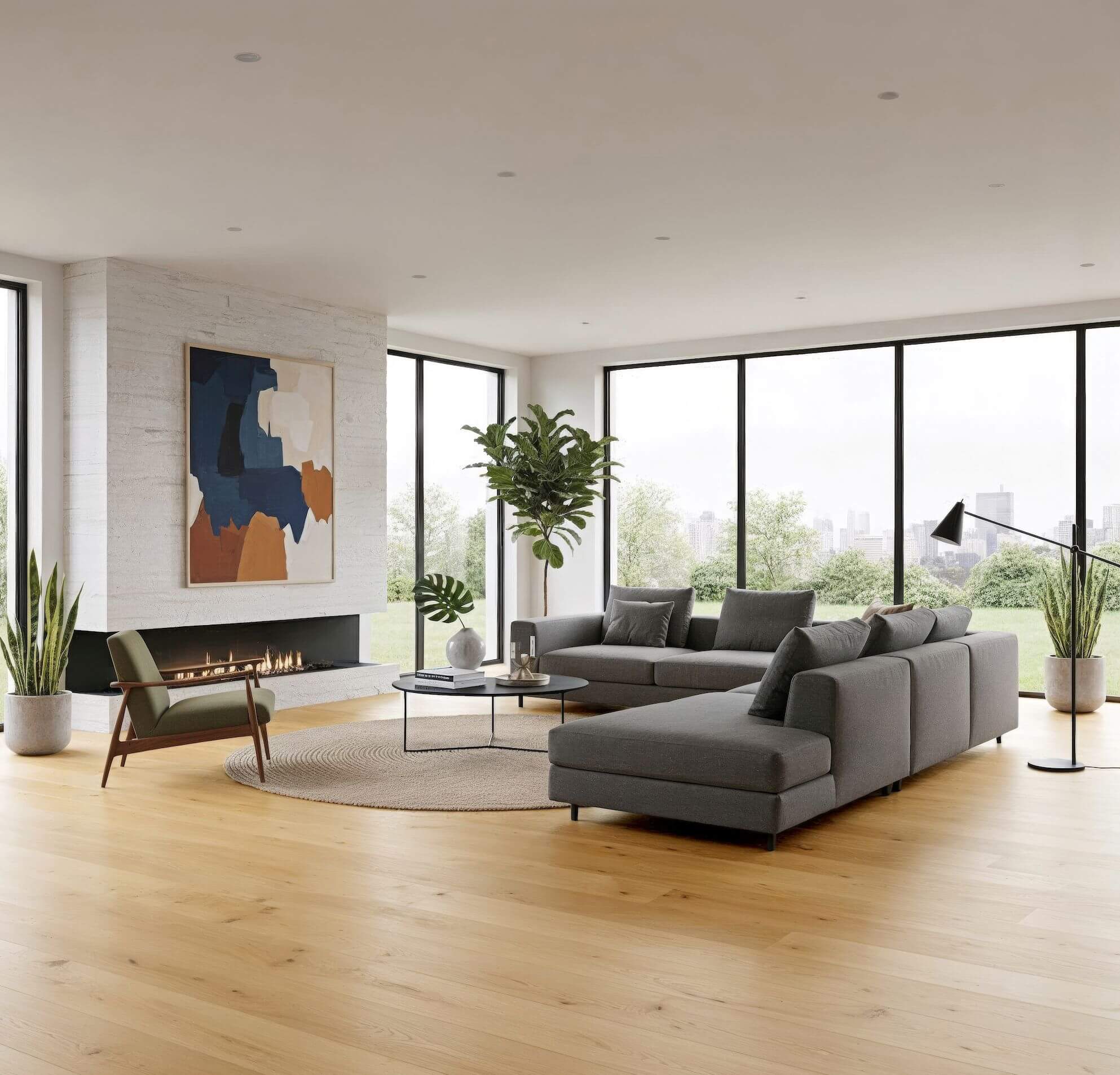
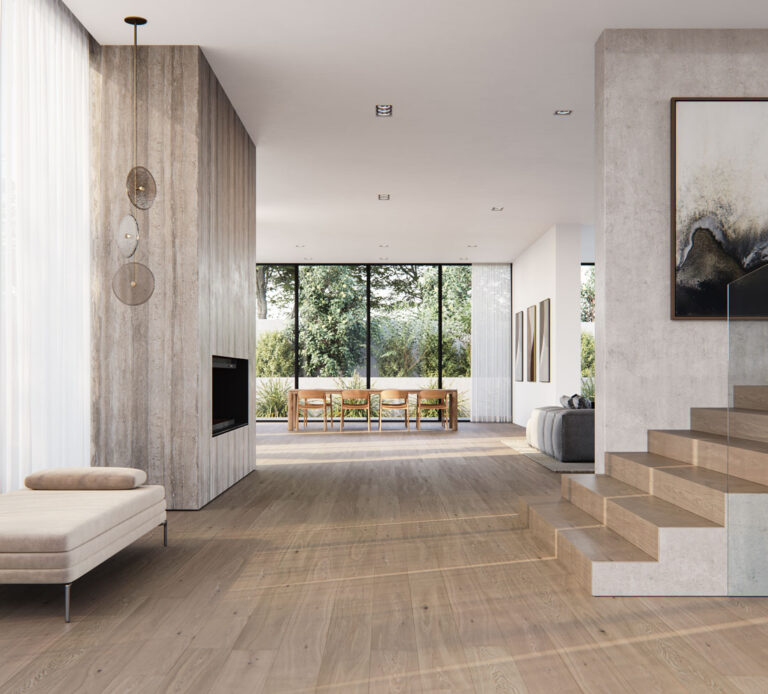
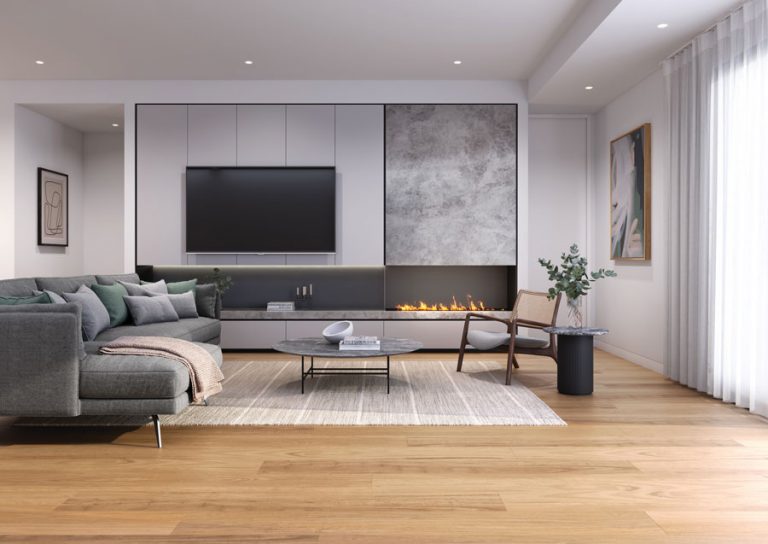
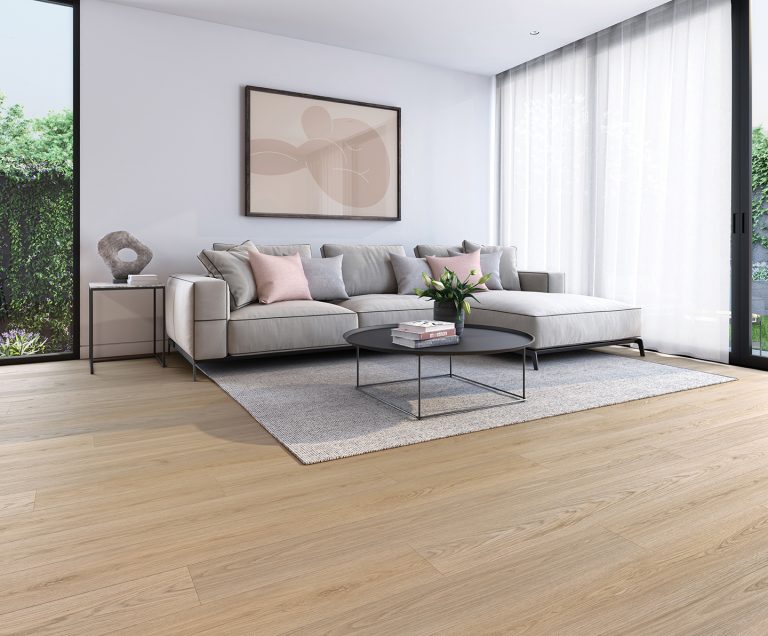
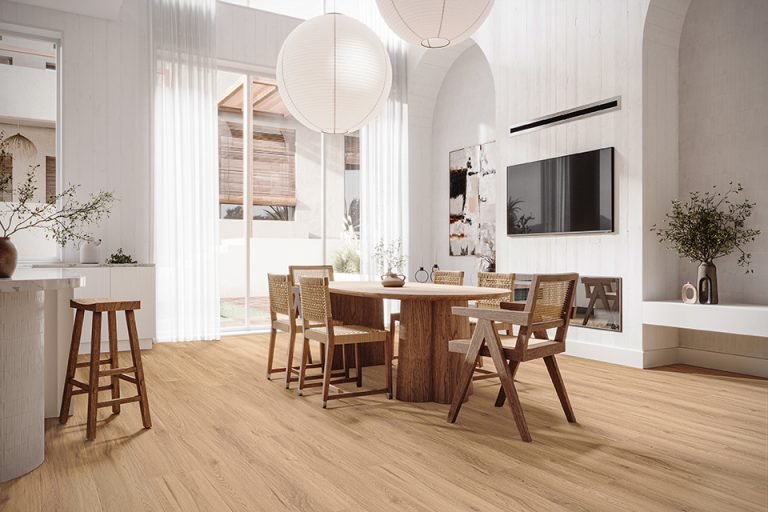
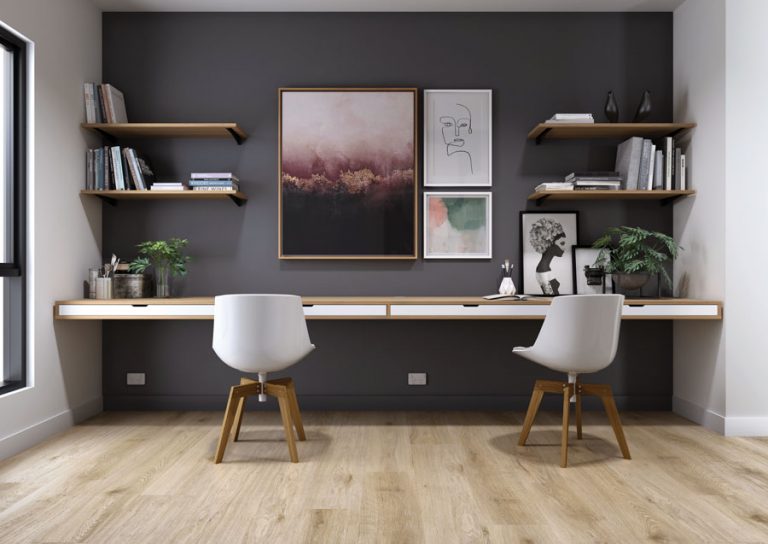
Style moves on, and flooring is one of the most influential elements in the visual character of an interior. Heavily patterned carpet, orange-toned timber or dated tiles can leave an otherwise well-kept home feeling tired. When a floor begins to dominate a space for the wrong reasons, replacement offers a meaningful visual reset. Modern timber-look floors in natural tones are a reliable way to bring an interior up to date without a full renovation.
There is Visible Damage – Warping, Cracks & Gaps or Movement
Some damage is cosmetic; some is structural. Cracked or lifting tiles, deep scratches and dents, and boards that have warped, cupped or buckled all point to a floor experiencing more than ordinary surface wear. In timber, warping and buckling often indicate moisture intrusion beneath or within the flooring system and should be investigated before replacement proceeds.
Widening gaps between boards are another clear indicator: Beyond collecting dust and grit, they typically signal that the floor is moving. Soft or spongy spots underfoot, a persistent musty odour or boards that feel unstable point in the same direction — moisture that has reached beneath the surface, where it can cause lasting damage that surface repair cannot resolve. Once damage is this widespread, replacement is generally more economical than repeated individual repairs. Where moisture is the underlying cause, identifying and addressing it before a new floor is installed is essential, and for areas genuinely exposed to water, a waterproof hybrid or vinyl floor is often the more suitable long-term choice.
The Surface Remains Worn After Thorough Cleaning
A floor tends to respond visibly to appropriate cleaning and maintenance. When carpet stays flat and marked after a professional clean, when tiles look dull no matter how carefully they are cleaned, or when timber has worn back beyond the point where recoating can restore the surface, the flooring itself may have reached the end of its effective aesthetic life. At this stage, continued maintenance is unlikely to improve its appearance in any meaningful way, making replacement a more considered long-term investment.
Allergens Are Becoming More Difficult to Manage
Older floors, and carpet in particular, can retain dust, pet dander, mould spores and other particles within fibres, joints and gaps. For households where a clean indoor environment is a priority, older flooring may become progressively more difficult to manage.
Hard flooring is considerably easier to keep free from accumulated surface debris. Laminate and vinyl, for example, provide smooth surfaces that can be cleaned efficiently and maintained with relative ease.
The Property Is Being Prepared for Sale
Flooring shapes a buyer’s first impression and contributes significantly to the overall sense of condition within a home. Worn or dated floors can make a property feel like a project, affecting its perceived level of finish and influence the way prospective buyers assess the broader interior. Fresh, neutral flooring throughout achieves the opposite – establishing a more resolved, cohesive foundation that supports a stronger sense of presentation.
Selecting Replacement Flooring
Once replacement has been identified as the appropriate course, the next consideration is which floor suits the room and its intended use. As a quick guide:
- Engineered timber: A genuine hardwood surface with enhanced dimensional stability, particularly suited to living spaces and bedrooms.
- Hybrid flooring: Waterproof and hard-wearing, with broad suitability across high traffic interiors and moisture-prone areas.
- Vinyl flooring: Comfortable underfoot, water-resistant and cost-conscious, with straightforward maintenance.
- Laminate flooring: Durable, timber-look and low-maintenance, with enhanced scratch and UV resistance, well suited to high-traffic spaces and rental
Exploring replacement flooring
Terra Mater offers engineered timber, hybrid, vinyl and laminate flooring collections developed for a range of residential and commercial requirements. Samples and local stockist displays offer the opportunity to consider colour, texture and material performance within the context of an individual project.
Frequently Asked Questions
- How do I know whether to repair or replace a floor? Repair makes sense for isolated, cosmetic issues. Replacement becomes more appropriate when damage is widespread, structural, associated with moisture, or no longer responds meaningfully to cleaning, refinishing or localised repair.
- How long does a floor last before it needs replacing? This varies by material and how well the floor has been cared for. Condition is generally more instructive than age alone: visible deterioration, instability or recurring maintenance issues tend to offer a clearer indication of when a floor needs replacing.
- What is the best flooring for allergy sufferers? Hard flooring such as laminate, vinyl, hybrid and timber generally provides a smooth, accessible surface that is easier to clean than carpet and less likely to retain dust and debris within fibres. While no floor removes allergens on its own, an easily cleaned surface can make maintaining a fresh interior more straightforward.
- Does new flooring add value when selling? Fresh, neutral flooring can strengthen a home’s overall presentation and create a more cohesive, resolved interior, both of which can contribute positively to buyer perception.