

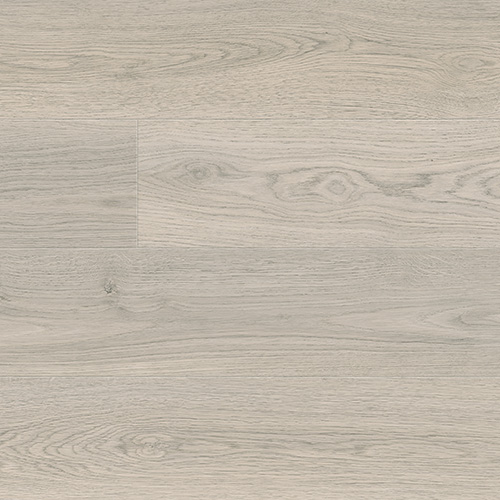
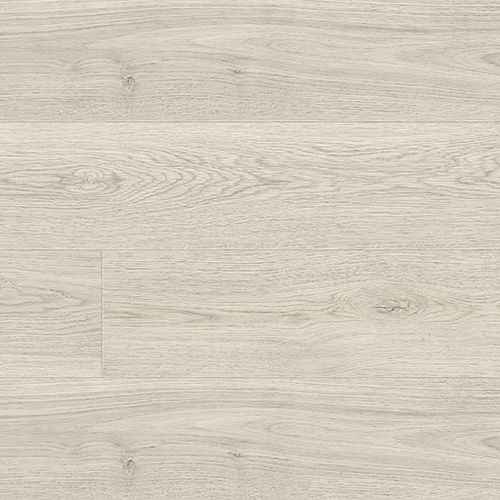
ResiPlank hybrid flooring is built for interiors that demand warmth, restraint, and longevity, without the maintenance and movement of traditional timber. Designed with an authentic timber look and natural texture, this collection delivers waterproof performance with the stability and everyday durability expected from premium hybrid floorboards, creating a refined foundation for modern living.
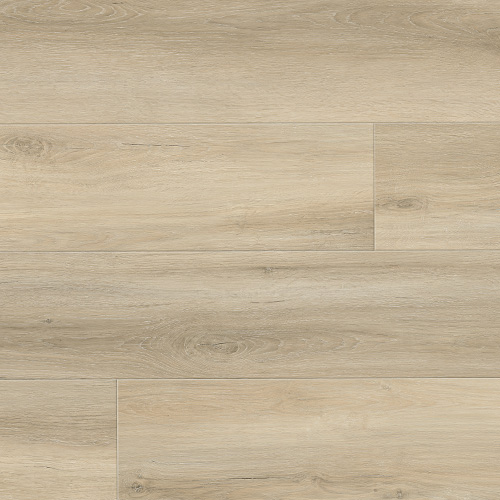
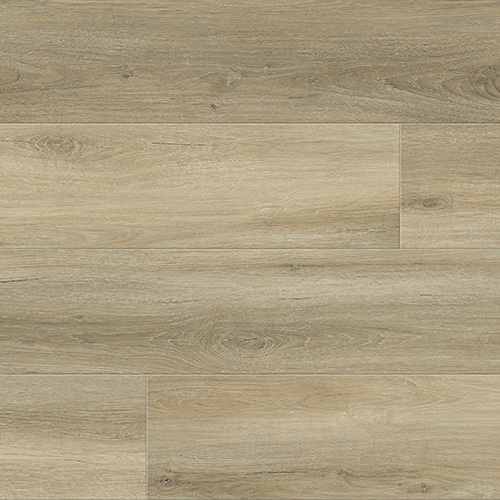
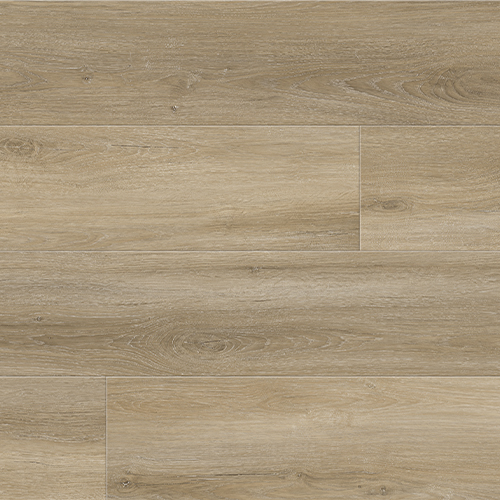
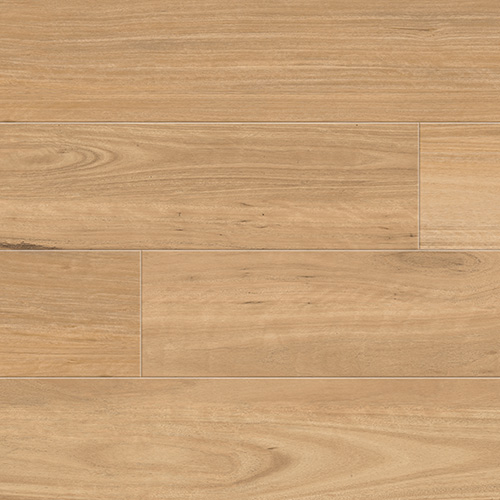
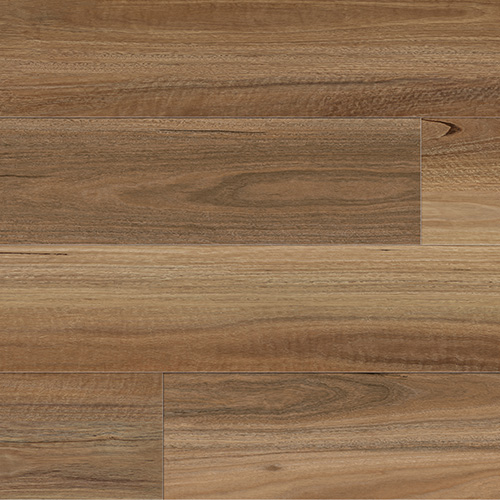
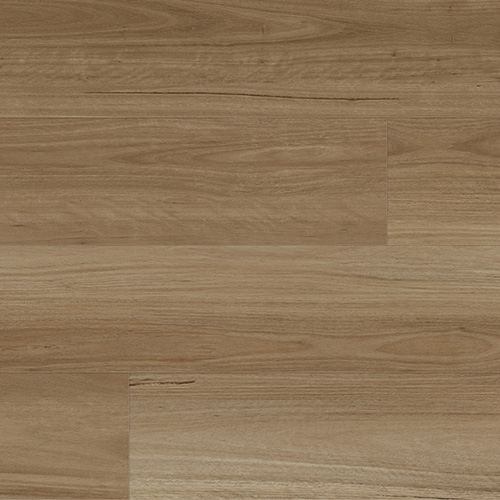
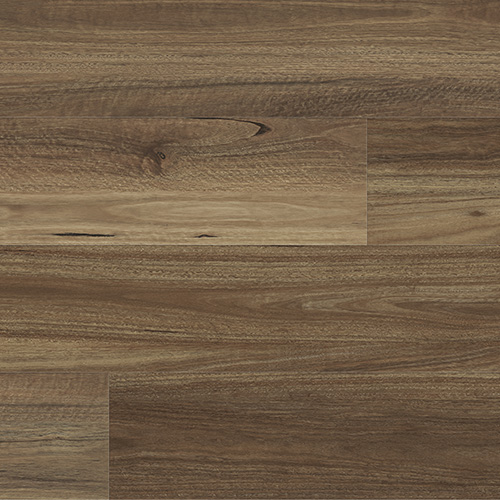
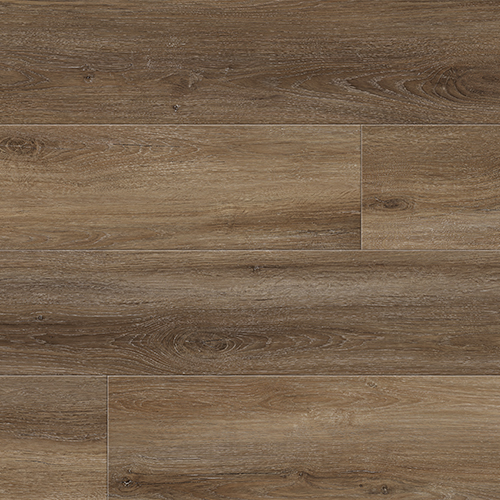
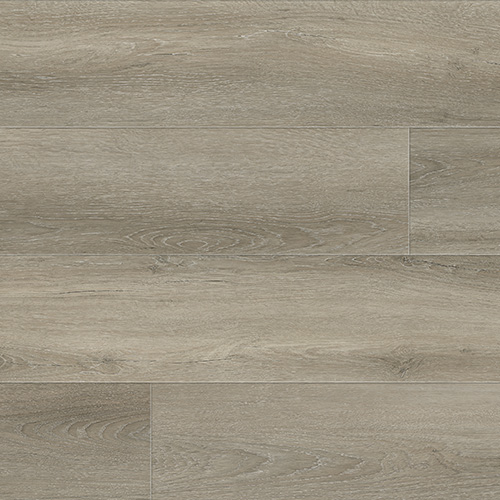
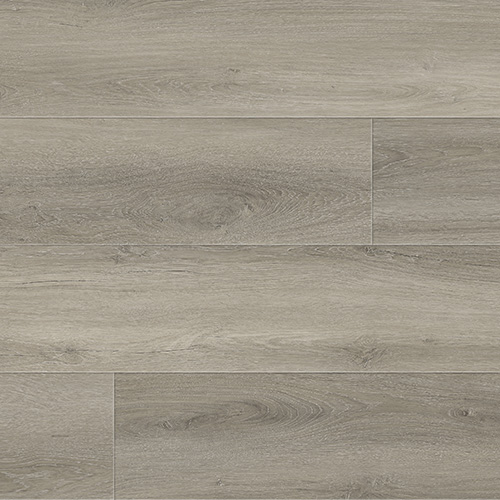
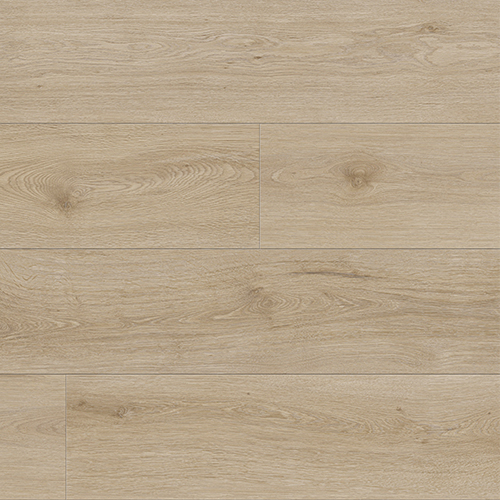
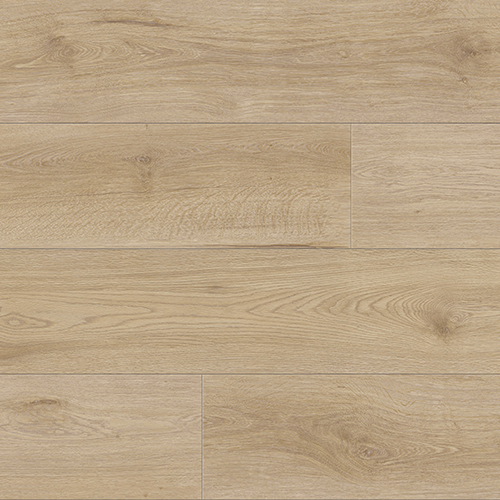
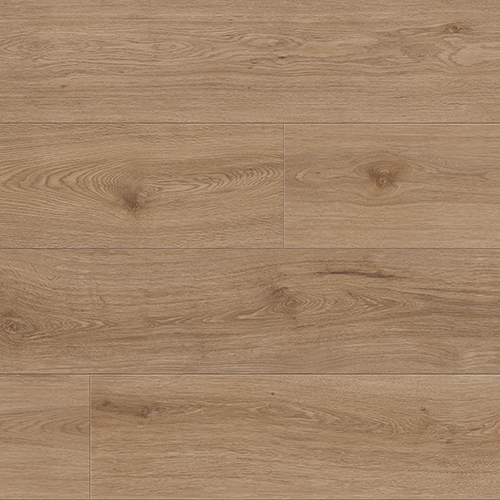
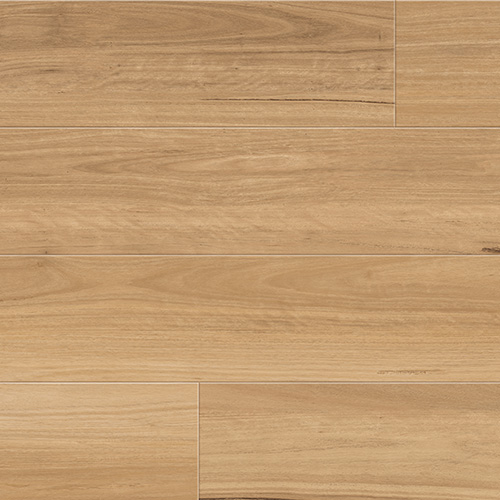
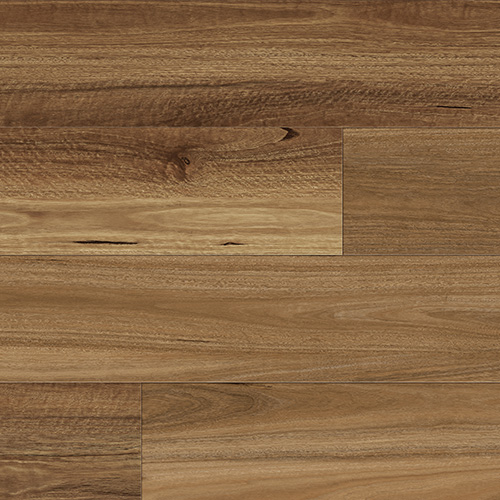
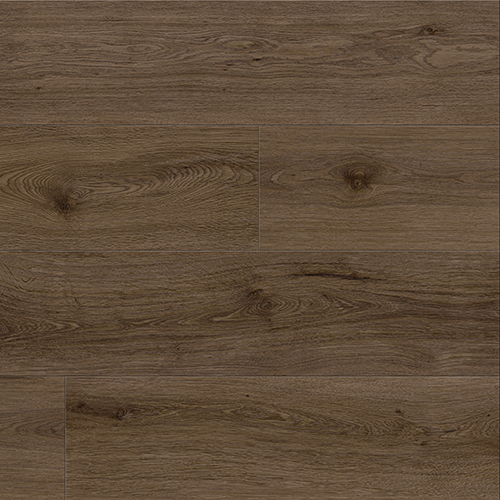
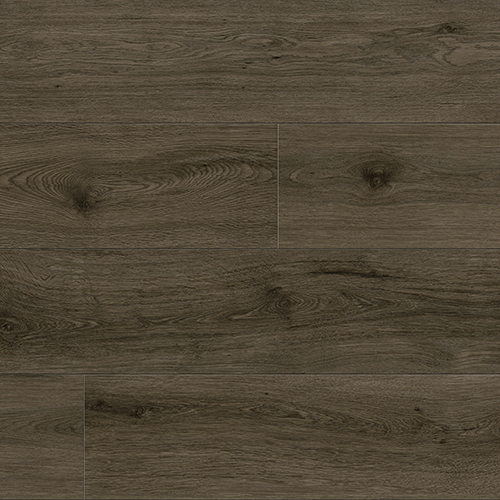
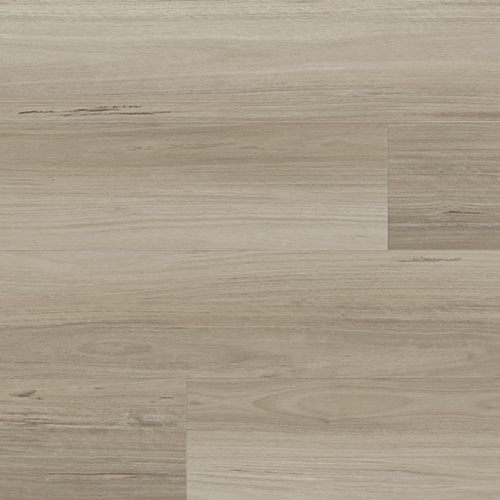
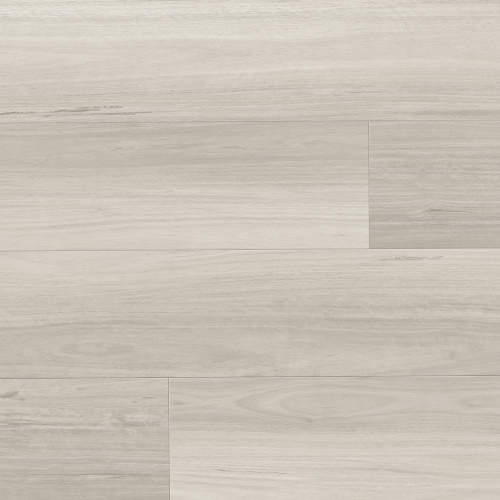
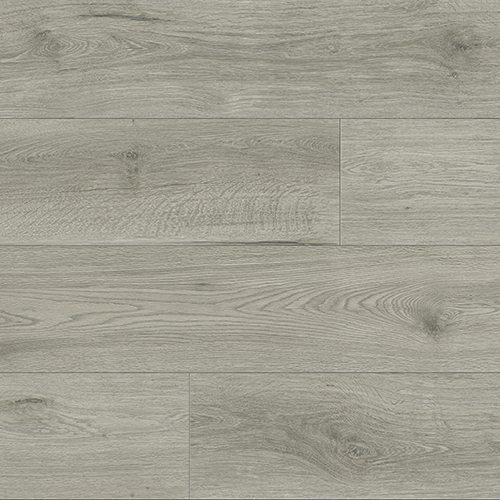
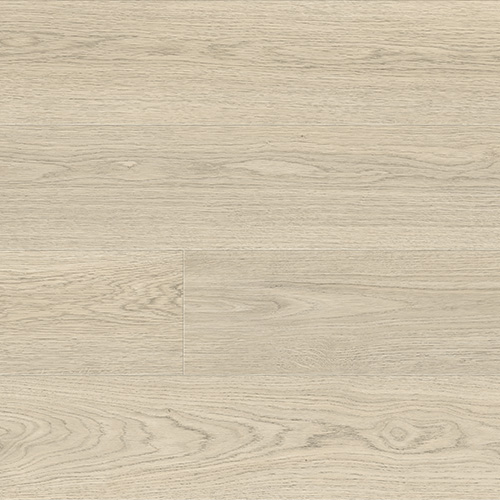
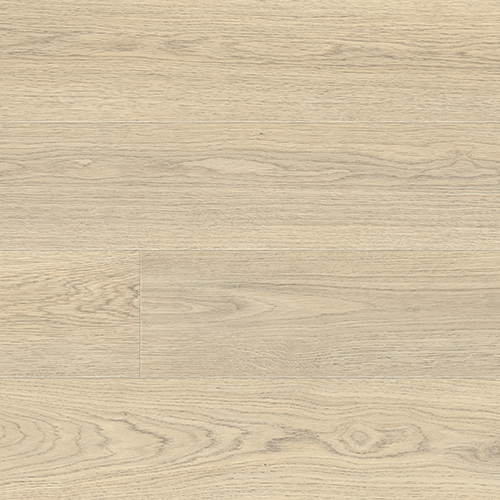
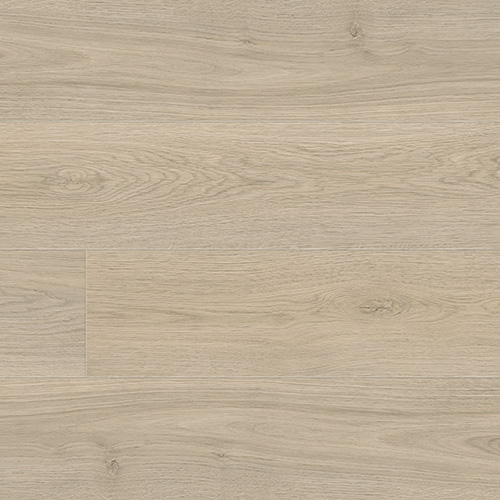
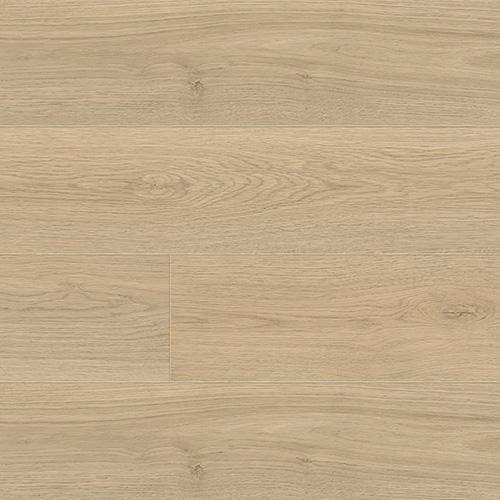
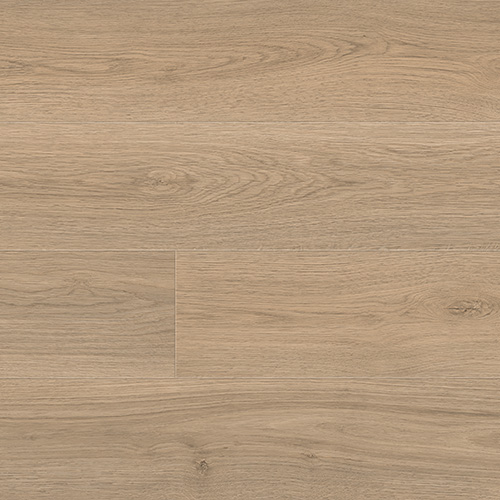
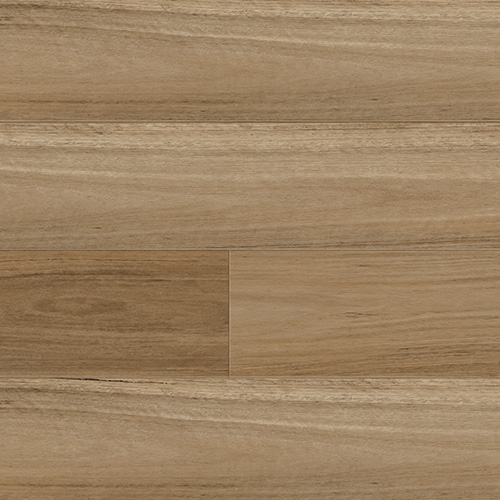
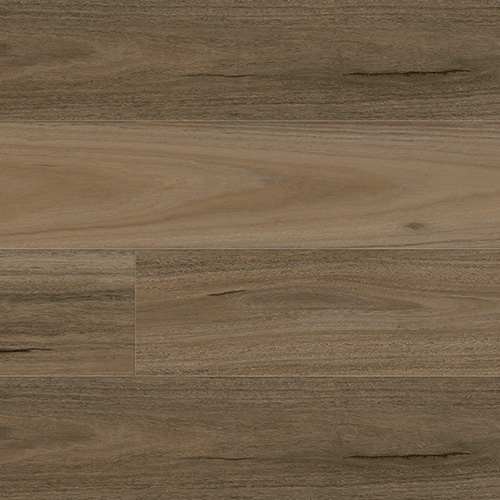
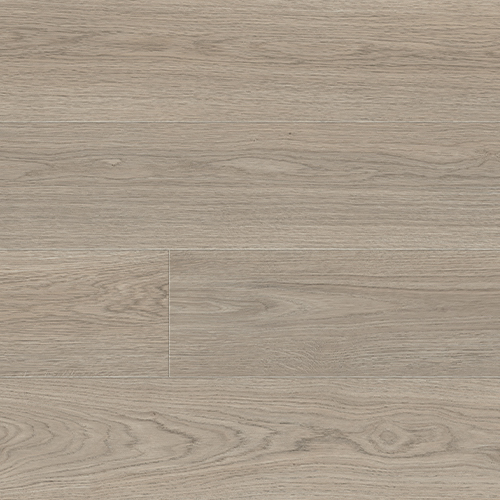
The collection moves through a refined palette, from light, airy tones that brighten a space to balanced mid-tones for warmth, finishing in deeper, contemporary shades for modern contrast that still highlights the timber aesthetic.
With authentic embossed textures to enhance the grain and add tactile depth, this waterproof hybrid flooring delivers a refined timber look that performs in residential and commercial spaces, built to handle everyday living and higher-traffic conditions, while capturing the character of Australian Blackbutt and the richer variation of Spotted Gum.
Discover Our Hybrid Flooring Collections
Frequently Asked Questions
Hybrid flooring is a resilient flooring solution designed to combine the natural look of timber with the stability and practicality of modern floor construction. Hybrid floorboards typically feature a decorative timber-look surface, a durable wear layer and a rigid core that helps the boards resist movement, indentation and everyday wear.
ResiPlank hybrid flooring is created for interiors that require the warmth and texture of timber without the maintenance associated with natural wood. Realistic grain detailing and embossed surface offer each board a refined timber character, while the stable construction supports comfortable, practical living across residential and selected commercial environments.
For homeowners comparing a hybrid floor vs laminate, the main distinction is water resistance. Laminate flooring is generally made with a wood-based core, while waterproof hybrid flooring uses a rigid, water-resistant core designed to provide greater protection from spills and moisture. Product construction and performance can vary, so it’s important to review the specifications of the individual range before making a selection.
Yes, quality hybrid flooring is designed with a waterproof core, making it a practical choice for areas where spills, splashes and changing moisture levels are part of everyday life. Unlike a lot of traditional timber and laminate products, waterproof hybrid flooring will not absorb surface water through the core in the same way.
It’s important to distinguish between a waterproof floorboard and a fully waterproof room. Hybrid floorboards can provide excellent resistance to moisture, but they don’t replace the waterproof membranes, sealing and drainage required beneath the floor in regulated wet areas. Spills should still be cleaned promptly, and installation must follow the product instructions to protect board joins, perimeter gaps and the subfloor.
Premium hybrid flooring also offers greater dimensional stability than traditional timber, helping to reduce the expansion and contraction that can occur as indoor conditions change.
Hybrid flooring is commonly suitable for laundries, kitchens and other areas where occasional spills or surface moisture may occur, provided the selected product is approved for that application and installed according to its technical requirements.
Bathroom suitability requires more careful consideration. A bathroom is a regulated wet area, and the floor must comply with relevant waterproofing and building requirements. While waterproof hybrid flooring can resist water at board level, it doesn’t replace an approved wet-area waterproofing system. Water can still enter through perimeter gaps, penetrations or improperly sealed joins.
Before installing ResiPlank hybrid flooring in a bathroom or laundry, confirm the requirements for the specific collection, the condition of the subfloor and the installation method with an authorised retailer or professional installer. This helps ensure the finished floor performs as intended and remains consistent with warranty conditions.
Many hybrid flooring products include an attached acoustic underlay, which means a separate layer may not be required. The integrated underlay can help improve underfoot comfort, reduce sound transfer and support a more efficient floating-floor installation. A separate underlay shouldn’t be added unless it’s approved for the selected product. Using an unsuitable or excessively soft underlay can place additional pressure on the locking system and affect the stability of the hybrid floorboards.
The correct approach depends on the product construction, subfloor and project requirements. Apartments and multi-residential developments, for instance, may need to meet specific acoustic standards. Always refer to the installation guide for the chosen ResiPlank hybrid flooring range before installation begins.
Hybrid flooring is well suited to homes with pets because it offers a durable, easy-to-clean surface with strong resistance to everyday spills and wear. Its waterproof construction makes it practical for water bowls, muddy paws and minor accidents, while the rigid core provides stability in busy household areas.
As with any finished floor, hybrid flooring isn’t completely scratch-proof. Keeping pet nails trimmed, placing mats near external doors and cleaning grit or sand promptly will help protect the surface. Felt protectors should also be used beneath furniture, and pet bowls can be placed on a mat to reduce repeated moisture around board joins. For households balancing appearance with practicality, premium hybrid flooring provides a refined timber look without the same sensitivity to moisture and movement as natural timber.
Yes, selected hybrid flooring ranges can be used in commercial interiors, including retail spaces, offices, hospitality environments and other areas with regular foot traffic. The rigid construction, durable wear surface and straightforward maintenance make hybrid floorboards a practical foundation for projects that require both visual warmth and everyday resilience.
Commercial suitability depends on the product’s wear rating, warranty, installation system and the expected level of traffic. A low-traffic office and a busy retail or hospitality space place very different demands on a floor, so the specification is best matched to the environment.
Summit hybrid flooring and wider ResiPlank hybrid flooring collections are best assessed against the requirements of the individual project. Foot traffic, rolling loads, furniture movement, direct sunlight, subfloor preparation and ongoing maintenance all warrant consideration before a final selection is made.
Regular cleaning preserves the texture, finish and overall appearance of hybrid flooring over time. Loose dust, sand and grit are best removed with a soft broom, microfibre mop or vacuum fitted with a hard-floor attachment. These particles act as abrasives underfoot, which makes frequent dry cleaning particularly important near entrances and in high-traffic areas.
For a deeper clean, a lightly damp microfibre mop with a pH-neutral cleaner approved for hybrid floorboards is ideal. Avoid flooding the floor or allowing water to remain on the surface.
Steam mops, abrasive pads, waxes, polishes, oil soaps and harsh chemical cleaners are best avoided unless expressly approved by the product manufacturer.
To support the long-term performance of hybrid timber flooring:
- • Attend to spills promptly
- • Use walk-off mats at external entrances
- • Place felt protectors beneath furniture
- • Lift furniture rather than dragging it
- • Use suitable protective mats beneath castor chairs
- • Keep indoor temperature and sunlight exposure reasonably controlled
- • Follow the care and maintenance instructions supplied with the selected ResiPlank Hybrid product
With appropriate care, waterproof hybrid flooring provides a durable and refined surface that retains its timber character across busy residential and commercial interiors.